Weekend-Delhi

Chail- a virginal suburb of Himachal Pradesh

Chail- a virginal suburb of Himachal Pradesh

By

The hills were dead silent with occasional laughter and cries of ancestors of the HOMO SAPIENS. These brave hearts have made tall and fragile pine and deodar trees their play grounds. They dare to walk on high tension electric wires and water pipes at a height good enough to claim your life, if you lose your balance. They generally reside in abandoned homes, towering trees and earn their living by robbing from homes and climbing tall trees eating seeds and fruits. They were the sole owners of these lands encroached by humans. Their voices might be a welcome to us and an agreement to live peacefully with them or they might be planning a revolution against us or maybe they have an attitude that they donтАЩt care. Hills grow quieter as you glide down the day. Sky turns darker as sun takes your leave. You keep filling your lungs with the fresh air just to make sure that serene natural air reaches even to the last ruptured alveoli of your smoke and pollution damaged lungs. The mist is the best treat that you can give to your eyes next to actually snowing.

Read More

Nainital тАУ The Last Leaf

By

Sitting in a restaurant on the Mall Road, you feel happy. The early December air is nippy, fresh and clear. There are few tourists this time of the year. Sun rays reflect off the dark green water of the lake creating silvery ripples. Wisps of clouds float in the incredibly blue sky. Such blue skies are seen over Delhi for maybe two days a year. You have chosen to sit in the open sided area. The sun is soothing. You are almost in a trance. It seems life has receded leaving you in a glowing fuzzy ball of warmth. And then you see the tree.

Read More
Classic Nawalgarh : Special Frescos

Classic Nawalgarh : Special Frescos

By

In medieval period, the inhabitation in Shekhawati was in the form of walled cities having gates at different directions. The role of the ruling royalty was to give protection to the citizen living under their dominions. Similarly, the role of the business families was to trade and pay taxes to the royalty for the maintenance and protection of the cities. However, the administrative structure was changing fast.

Read More
??????? : ?? ???????? ??????

рд░рдгрдХрдкреБрд░ рд╕реЗ рдХреБрдореНрднрд▓рдЧреЭ рдХреА рдбрд╛рдпрдирд╛рдорд┐рдХ рдпрд╛рддреНрд░рд╛ – Ranakpur to Kumbhalgarh, a dynamic journey

By

рд╕реНрдЯреЗрд╢рди рдХреЗ рдкреНрд▓реЗрдЯрдлрд╛рд░реНрдо рдирдВрдмрд░ рджреЛ рдкрд░ рдореИрдВ рд░рдгрдХрдкреБрд░ рдПрдХреНрд╕рдкреНрд░реЗрд╕ рдХрд╛ рдЗрдВрддреЫрд╛рд░ рдХрд░ рд░рд╣рд╛ рдерд╛ рдЬреЛ рд╕рдордп рд╕реЗ рдЖрдзрд╛ рдШрдВрдЯ рд╣реА рд▓реЗрдЯ рдереА (рдереИрдВрдХ рдЧреЙрдб) | рдореЗрд░реЗ рд╕рд╛рде рдХреБрд▓ 10 рд╕рд╣рдпрд╛рддреНрд░реА рд░рд╣реЗ рд╣реЛрдВрдЧреЗ рдЬрд┐рд╕рдореЗ рд╕реЗ рдПрдХ 4-5 рд╕реНрдЯреВрдбреЗрдВрдЯреНрд╕ рдХрд╛ рдЧреНрд░реБрдк рдерд╛ | рдореИрдВ рдЕрдХреЗрд▓рд╛ рдмреИрда рд╕реЛрдЪ рд╣реА рд░рд╣рд╛ рдерд╛ рдХреА рдХрд┐рд╕реА рд╕реЗ рдХреБрдЫ рд╡рд╛рд░реНрддрд╛ рд╡рдЧреИрд░рд╣ рд╢реБрд░реВ рдХреА рдЬрд╛рдпреЗ рддреЛ рд╕рдордп рдкрд╛рд╕ рд╣реЛ рдкрд░ рд╕рд╛рдордиреЗ рдХреЗ рдЬреАрдЖрд░рдкреА рд░реВрдо рдХреЗ рдЦреБрд▓реЗ рджрд░рд╡рд╛рдЬреЗ рд╕реЗ рдПрдХ рдкреБрд▓рд┐рд╕ рд╡рд╛рд▓реЗ рджреНрд╡рд╛рд░рд╛ рдПрдХ рдкрддрд▓реЗ рджреБрдмрд▓реЗ рдпреБрд╡рдХ рдХреЛ рдкреАрдЯрдиреЗ рдХреА рдЭрд▓рдХ рдорд┐рд▓реА | рдЕрдм рдХрд┐рд╕реА рдХреЛ рдЯреНрд░реЗрди рдХреА реЮрд┐рдХреНрд░ рдирд╣реАрдВ рд░рд╣реА рдФрд░ рд╕рднреА рд▓реЛрдЧ рднрд┐рдиреНрди рднрд┐рдиреНрди рдПрдВрдЧрд▓ рдмрдирд╛рдХрд░ рджреГрд╢реНрдп рдХреЛ рджреЗрдЦрдиреЗ рдХреА рдХреЛрд╢рд┐рд╢ рдХрд░рдиреЗ рд▓рдЧреЗ |

Read More

Demystifying Bhangarh

By

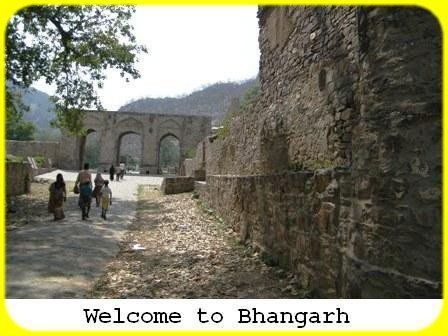
Part I was about mysteries of Bhangarh Fort тАУ based on prevalent notions (online and otherwise), which have endeared a relatively unknown Bhangarh to…

Read More

Sundari Sekhawati

By

The Aravallis cut across Jaipur and Sekhawati regions in North Rajasthan. The climatic conditions in the region are very harsh and extreme, ranging from sub-zero Celsius in winter to more than 50┬░C in summer. People of this region are known for their bravery and hard work and it is a fertile breeding ground for Jawans in Indian Army! Two districts of modern day Rajasthan, i.e. Jhunjhunu and Sikar can administratively be considered as the constituents of тАЬSekhawatiтАЭ region. However the Churu district is equally important as the Sekhawati dialect is also spoken here and famous painted Havelis and Forts are omnipresent in all these three districts. The Haveli was to Banias, what the Fort was to Rajputs, an abode.

Read More

Classic Nawalgarh, The Morarka Haveli – Anatomy of a Shekhawati Haveli

By

It was gradually becoming more interesting. Though the guide could address many of my curiosity, I was still left with one more. I knew that 150-200 years ago, the motorized transportation had not begun with full swing. People used to travel on foot, on dolis, on animals etc. So, I wanted to know about their provisioning in the havelis.

тАЬWhere did they keep their horses, carts and elephants? And what were the facilities for their maintenance?тАЭ I asked. My guide took me to an open space, adjacent to the main mansion. It was the place for facilities like keeping domestic animals. There were also the rooms for servants or animal-keepers. This area was also equally decorated with frescoes. There he said, тАЬThis is called тАЬрдиреЛрд╣рд░рд╛тАЭ. It was here they kept their cattle and other domestic animals. The means of transport like horse-carts or camel-carts were also kept here only.тАЭ

Read More

рд╢реНрд░реА рдХреГрд╖реНрдг рдХреА рдирдЧрд░реА рдирд╛рдерджреНрд╡рд╛рд░рд╛ рдФрд░ рд╕рд╛рдВрд╡рд▓рд┐рдпрд╛ рд╕реЗрда рдХреА рдпрд╛рддреНрд░рд╛

By

рдирдорд╕реНрдХрд╛рд░ ┬ардорд┐рддреНрд░реЛ, рдРрд╕реЗ рддреЛ рдкреНрд░рддрд┐рд╡рд░реНрд╖ 1-2 рдзрд╛рд░реНрдорд┐рдХ рд╕реНрдерд▓ рдХреА рдпрд╛рддреНрд░рд╛ рдХрд░рддрд╛ рд░рд╣рддрд╛ рд╣реБ рдФрд░ рд╣рд╛рд▓рд╛рдХреА рдпреЗ рдирд┐рдпрдо рднреА рдХреБрдЫ рд╣реА рд╕рд╛рд▓реЛ рд╕реЗ рдмрдирд╛рдпрд╛ рд╣реИ…

Read More

Charming Jhunjhunu: Top Must See 7 Monuments

By

I feel that water harvesting was the most important aspect of the life in Shekhawati. Mainly three methods were used to harvest the rainfall. They constructed ornamental well near their locality to collect the water underneath the surface of the earth. They also constructed Step-well (bawri) to collect more water partly above the earth surface and partly underneath. Thirdly, they used to construct Johara, which was an alternate of artificial pond. The following picture of Johra was taken near Fatehpur.

Read More

Misty Mukteshwar – From a 12 year olds’s view

By

The third day, we went to see a river and waterfall. We went there by trekking, starting early in the morning. It was a very lengthy journey. I kept on asking my guide that when we will reach the river. All the time his reply was that it is just a few kilometers far. The area was full of pine and oak trees. I collected many pine flowers (pine cone).We heard birdsongs of many types. One particular bird with long tail was very attractive. The guide told that the birdтАЩs name may be тАШparadise birdтАЩ but he was not sure. After coming to the guest house I searched in the internet and identified that it was a тАШred billed blue magpieтАЩ. It was an extremely beautiful bird which glided smoothly down the valley. I slipped on the fallen pine leaves and fell down many times on the way but it was all fun! After walking for about four hours we heard the sound of water rushing through the rocks. I started running in the direction of the sound and found a very fresh and clear stream, crashing through the rocks. This place was not visited by many tourists and hence very clean. Usually people throw things in the water. The sound of water falling from the high mountain was very loud. I missed my brother because with him I would have enjoyed more. The water was cold and green. Whenever I see water I canтАЩt control myself and I started swimming.

Read More

Charming Jhunjhunu: Rani Sati Temple

By

After paying our tribute to all the twelve sati, we went inside the main mandapam of the Rani Sati. It was huge structure similar to those found in the Rama Krishna Mission temples. Lots of space was available for people to sit and pray. There was no statue of any sati. Instead a simple trident depicting the Goddess was placed for devotees to pray before her. The walls and columns of the mandapam were again beautifully painted. Two or three purohits were helping the devotees in offering prayers there. The followers of Rani Sati trace her origin from the times of Mahabharata, in which she was the wife of ArjunaтАЩs son Abhimanyu. Her name was Uttara. She wanted to perform the rites of sati, when Abhimanyu died in the Mahabharata battle. Then, Lord Krishna persuaded her not to do so, giving her a boon that she would get an opportunity to perform Sati in her next birth. As prophesied by Krishna, she was born in modern-day Rajasthan (Shekhawati) and Abhimanyu was born near modern-day Hissar in Haryana. Her name was Narayani and AbhimanyuтАЩs name was Tandhan. He had a beautiful horse, which was also eyed by the KingтАЩs son. However, in the battle for the horse, kingтАЩs son was killed. Further, an infuriated king killed Tandhan in the battle. The brave Narayani, after killing the King in revenge, performed sati at the pyre of her husband. She was supported by the caretaker of the horse, named Ranaji. For his efforts, the brave sati granted Rana Ji a boon that his name would always be remembered before her vey name. Thus, the name тАЬRani SatiтАЭ came into existence.

Read More

Charming Jhunjhunu: Making of Lac Bangles (Shekhawati style)

By

If the second craftsman was satisfied with the measurement, his next function was to join the two ends of the rolled lac to make it into a bangle. For this, he brought both the ends of the rolled lac over the coal-burner and heated it for appropriate state of melting. The lac then binds itself and both ends join together. However, to make the joining spot invisible to the naked eyes, the craftsman had to rub off the uneven surfaces and make it smooth. He used a wooden handle for that function. Now, the bangle of the basic shape and size was made. It was handed over to another set of craftsmen for designing and sticking of semi-precious or artificial stones/glass pieces so as to make it attractive.

Read More